
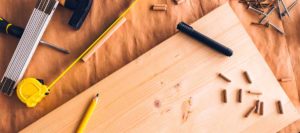
Woodworking has been around for centuries, and although the tools and approaches have changed over time, the main types of woodworking remain the same:
- carpentry, joinery
- cabinetmaking and furniture making
- wooden toy making
- boat building and repair
- sculpting and carving
- marquetry and inlay work
- woodturning.
Personally, I’ve been woodworking for over a 5 years now and I can tell you first-hand how rewarding it is to see the finished product of something you created with your own hands.
Each project has taught me something new about woodworking – from the importance of measuring accurately to using various types of wood depending on the project.
Getting Started with Woodworking
Basic Tools Needed for Beginners
If you’re just getting started with woodworking as a hobby, you might feel a bit overwhelmed by the sheer amount of tools available. But don’t worry – you can start very lean and later expand your tool collection.
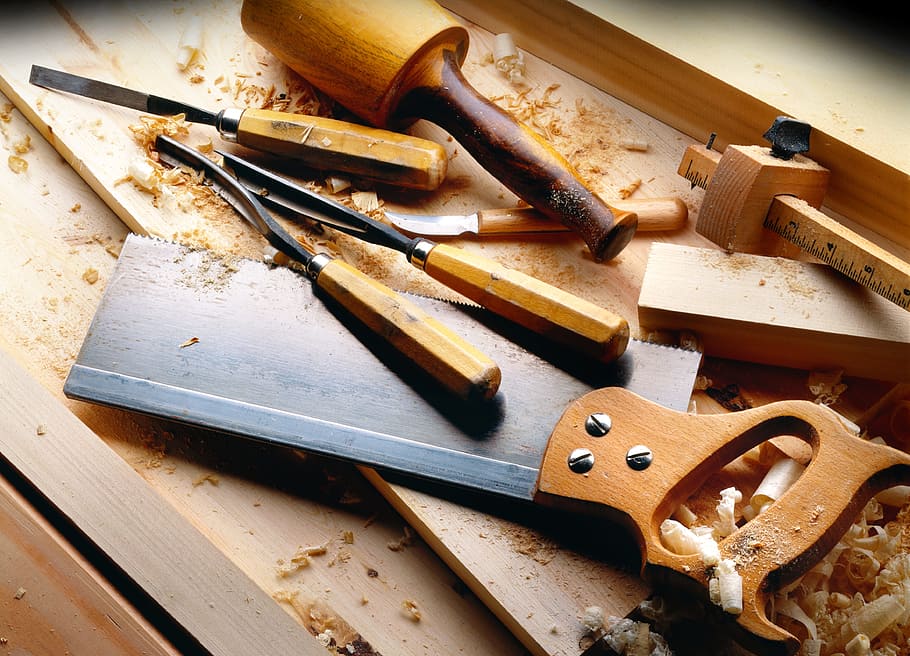
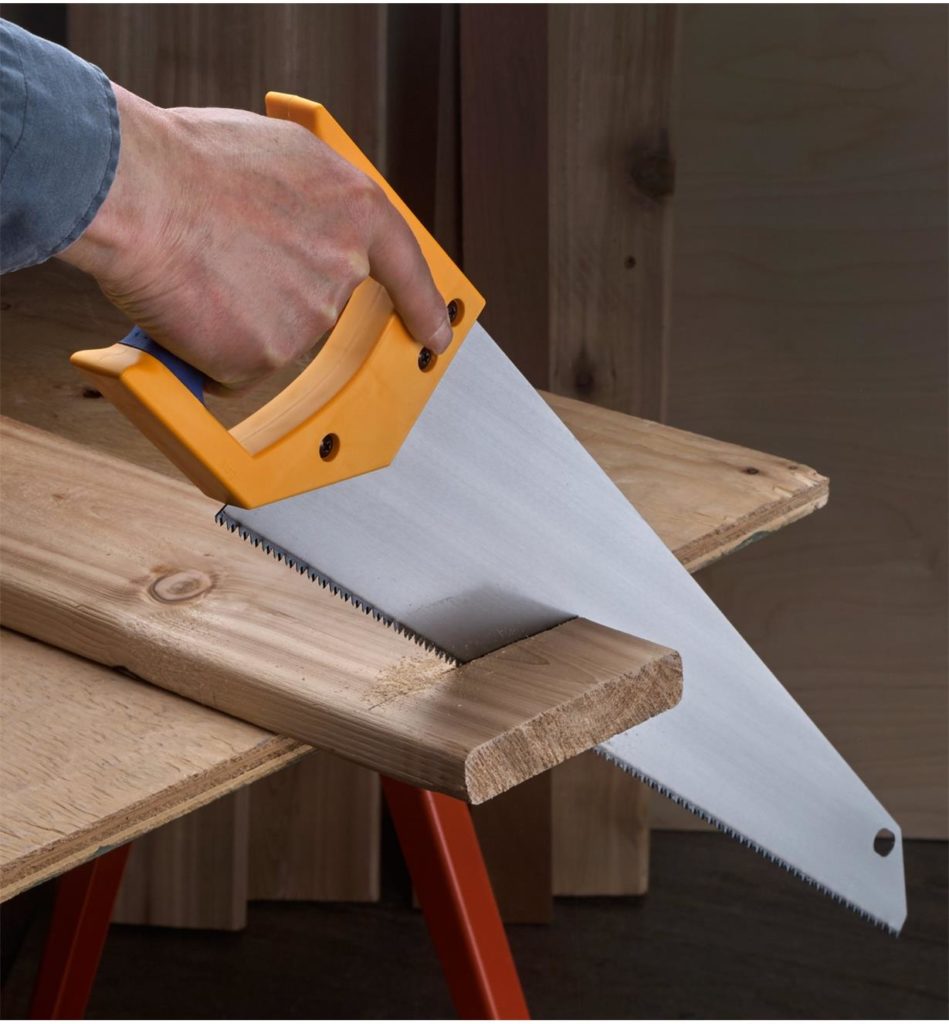
Basic tools for woodworking:
- Workbench: a sturdy (heavy) table or surface used for supporting and securing wood during woodworking projects.
- Handsaw: A versatile saw for making straight cuts in wood.
- Set of Chisels: used for shaping and carving wood, making mortise and tenons.
- Wood mallet: used in pair with chisel or for tapping pieces into place.
- Block Plane: a hand plane for smoothing and shaping wood, Stanley No.4 works perfectly for all types of planeing.
- Dovetail saw: used for accurate sawing of wood joints.
- Woodworking clamps: start with 2-4 various sizes and types, used to hold wood pieces together during assembly or glue-up.
- Power Drill: used for drilling holes, driving screws and sanding.
- Combination Square: A measuring tool with a square head used for measuring and marking 90-degree angles.
- Tape Measure: used to accurately measure lengths and dimensions.
- Carpenter’s Pencils: used for marking and layout work on wood.
- Sharpening Tools: whetstones or sharpening systems to keep your tools sharp and in good condition.
- Sandpaper or Sanding block: to smooth out rough edges and prepare your project for finishing, plan to have varying grit number – 150, 300, 500, 1000, 3000.
- Wood Glue: essential for joining wood pieces together.
- Safety Equipment: safety goggles, ear protection, and dust masks.
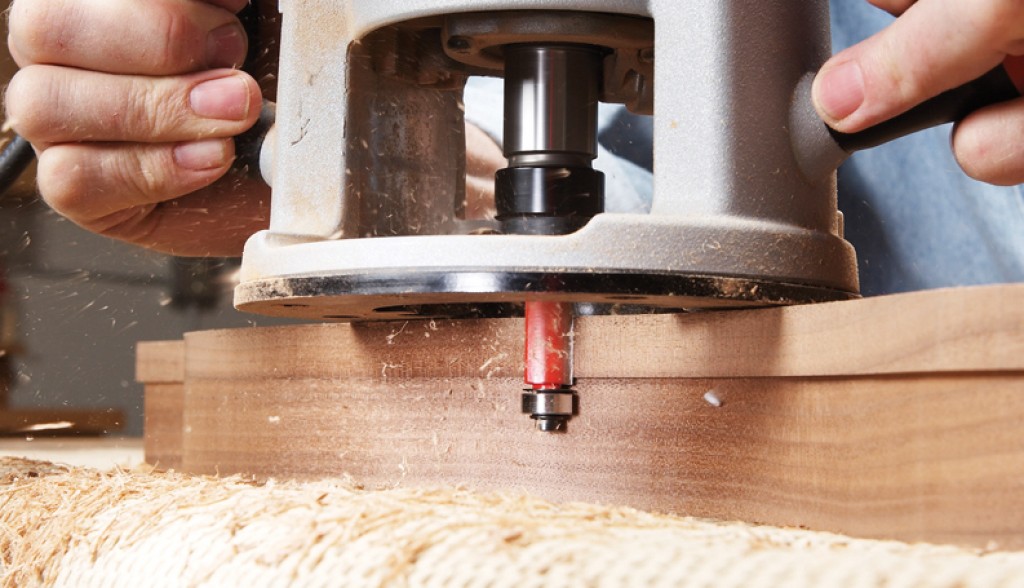
Additional tools:
As you get more experienced, you can start adding more specialized tools to your collection.
- Screwdriver Set: includes various sizes of flathead and Phillips head screwdrivers for driving screws.
- Claw Hammer: used for driving and removing nails.
- Coping Saw: used for making intricate curved cuts.
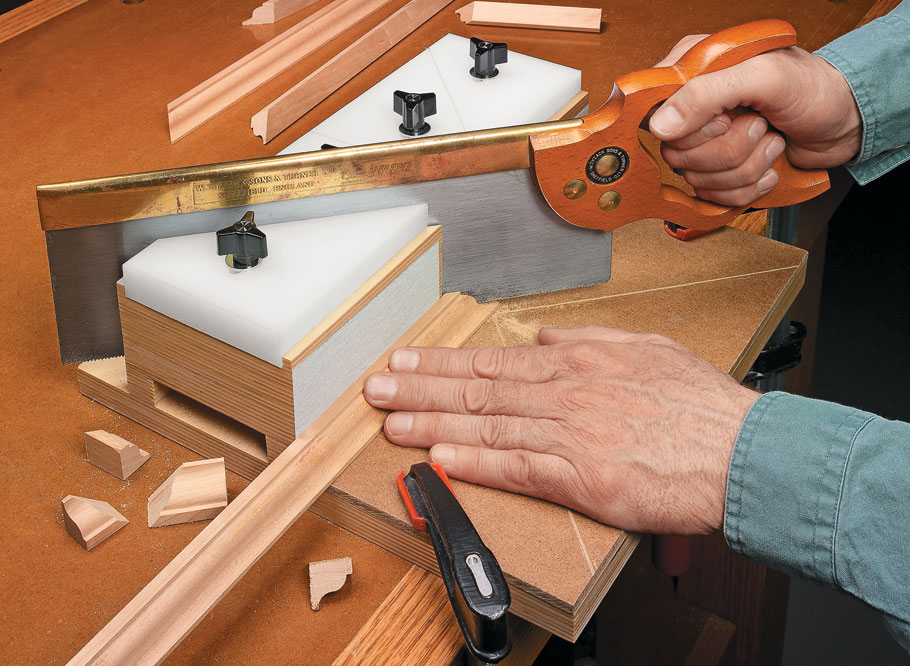
- Miter Box and Backsaw: used for cutting accurate angles and making miter joints. You can build own jigs for your type of woodworking.
- Router: A power tool used for shaping edges and creating decorative profiles.
- Random Orbital Sander: power sanding is definatly faster.
- Wood Files: Used for shaping and smoothing wood.
Quality over quantity! It’s better to invest in high-quality tools that will last a long time than to buy cheap ones that will break after a few uses.
Types of Wood to Use and Where to Find Them
I strongly believe that your location dictates the major types of wood you’d be using for your projects. Here are some popular commonly met kinds of wood and their characteristics:
- Pine: affordable, easy to work with, but not very durable.
- Oak: strong and durable, but harder to work with than pine.
- Maple: harder than oak, but also smoother and easier to work with.
- Cherry: beautiful grain pattern, but can be expensive. You can find wood at your local lumber yard or home improvement store.
- Walnut: hardwood known for its dark brown color, fine grain, and durability, popular in the US.
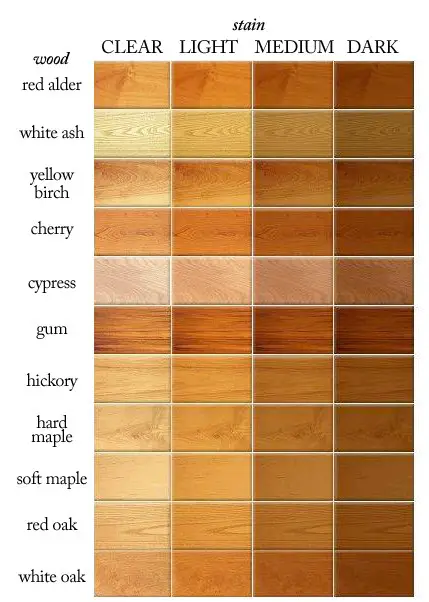
Look for boards that are straight, free from knots, and have minimal warping or cupping. If you’re feeling adventurous, try salvaging wood from old furniture or buildings – just make sure it’s safe to use first!
Woodworking Techniques
Cutting and Shaping Wood
The most basic tool for cutting wood is the handsaw, which can be used to make straight cuts or angled cuts with a bit of practice. For more intricate cuts, a jigsaw or scroll saw may be necessary.
Once you have cut your piece of wood into the desired shape, it’s time for shaping it using tools like chisels, planes, rasps and sandpaper. A chisel is used for cutting into wood while a plane helps in smoothing out its surface.
Rasps come in handy when you need more precision in roughing out curves or removing small amounts of material quickly. Sandpaper can give any wooden surface a smooth finish by rubbing at its surface until all rough spots are gone.
Joinery Techniques for Strong and Durable Projects
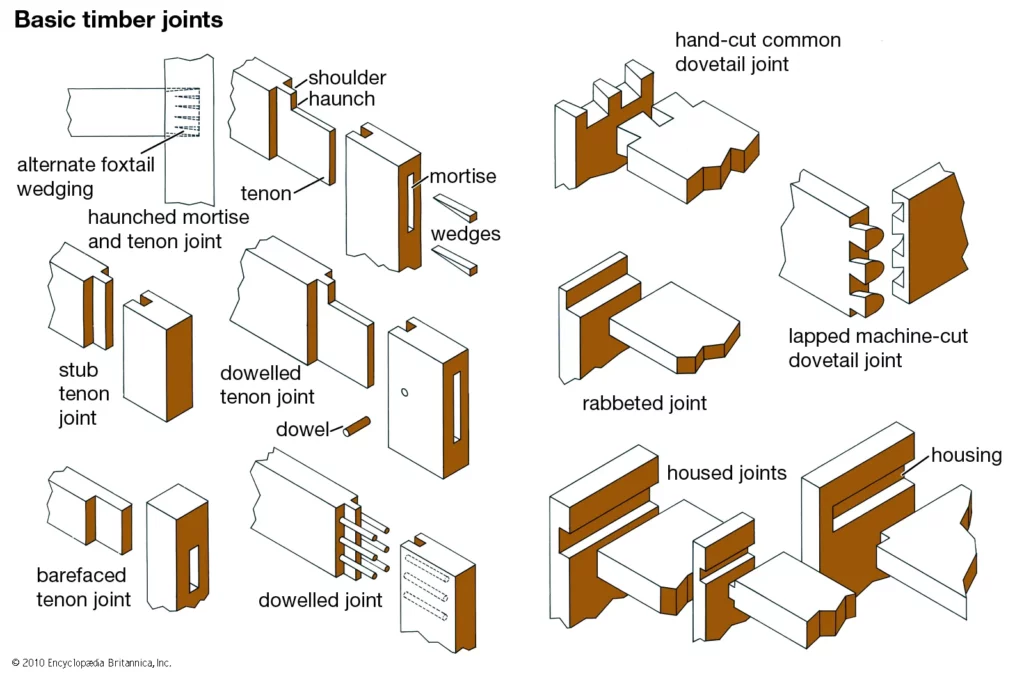
Joinery refers to the process of connecting two pieces of wood together using various methods that ensure maximum strength and durability. There are many different joinery techniques available that range from basic to very advanced.
One such technique is called mortise and tenon joinery where a rectangular hole (the mortise) is made on one piece of wood that perfectly fits into a protruding piece (the tenon) on another piece of wood. This joint creates an incredibly strong connection between two pieces of wood that won’t come apart easily.
Another common method used by woodworking enthusiasts is dovetail joinery where interlocking teeth on each piece fit together like puzzle pieces (dove tails?) creating an incredibly strong bond between them.
Popular Woodworking Projects
Building Furniture such as Tables, Chairs, and Bookshelves
In fact, there are only several types of woodworking routines you need to master to produce furniture. If you, for example, figure out how to make a door, you could build cupboard doors, room doors and small chests.
Some beginner furniture projects are:
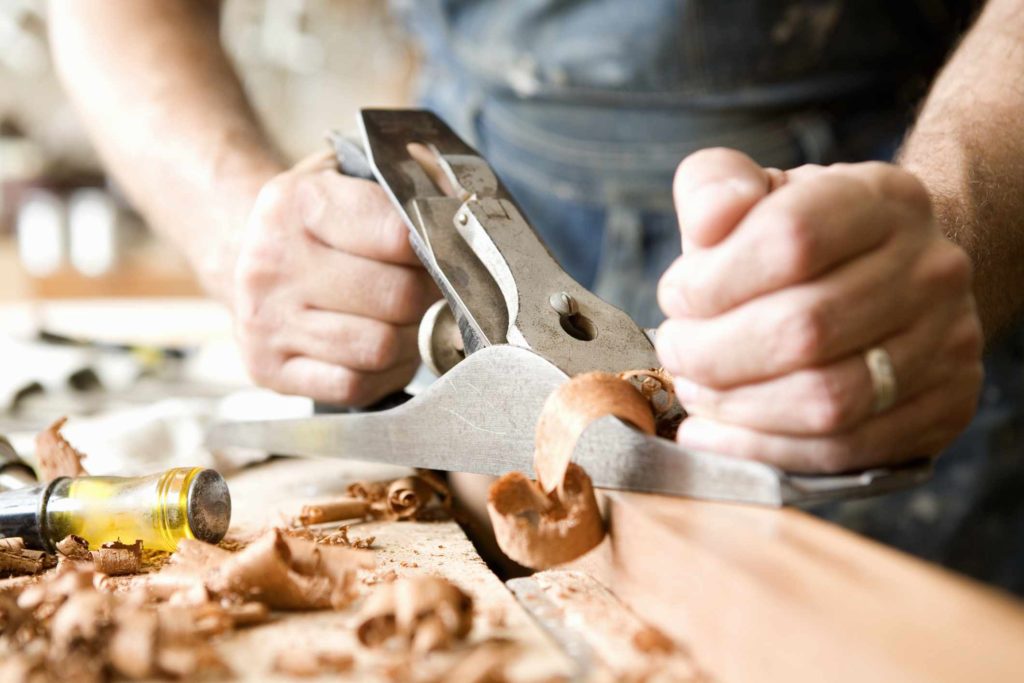
- Planing a dead flat board: it’s an incredibly useful exercise for honing your skills. Don’t underestimate the importance of mastering this technique.
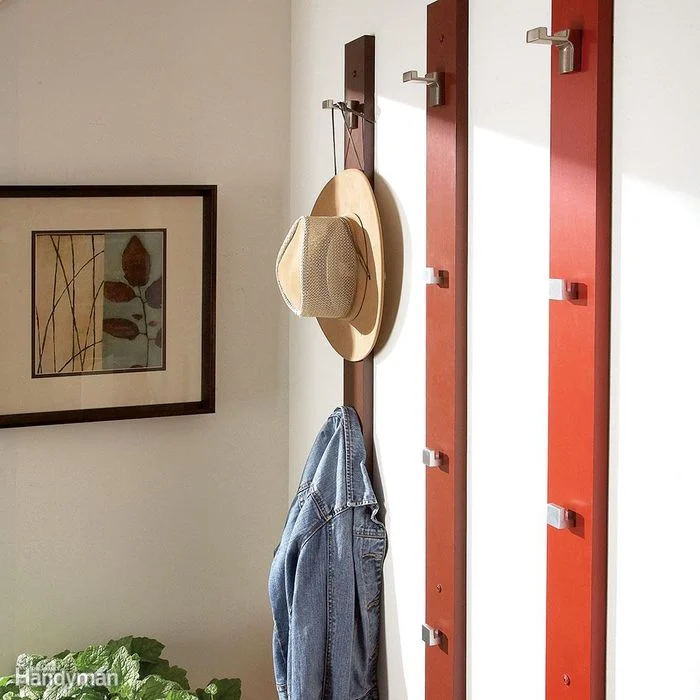
- Coat and Hat rack: crafting a coat and hat rack is a cinch and can be done in an hour. The project entails using a 6-foot-long piece of 1×4 and securing coat hooks.
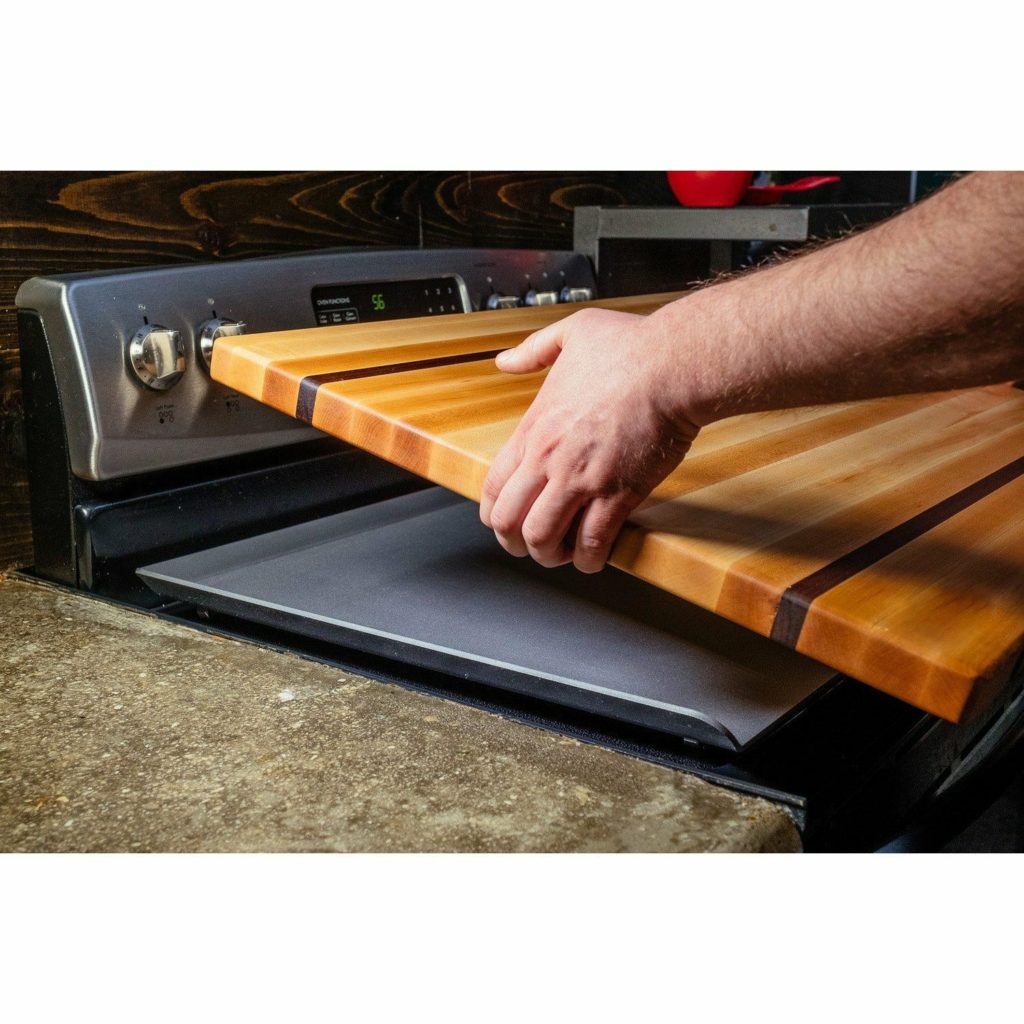
- Serving Board: This project is perfect for those beginners who want to learn fundamental woodworking skills. It entails constructing a serving board with only a few tools and can be accomplished in just 15-30 minutes.
Choose the right type of wood for your project. Hardwoods like oak and maple are strong and durable but can be more difficult to work with than softwoods like pine or cedar. They are also more beautiful and more expensive.
Therefore, beginners are advised to embark on projects with either pine or birch or whatever wood is readily available to them.
Creating Decorative Items like Picture Frames, Wall Art, and Wooden Toys
If you’re not quite ready to tackle a full-sized piece of furniture yet, there are plenty of decorative woodworking projects that are just as satisfying to make.
- One great option is a wooden picture frame. Pick the size and design to fit any photo or artwork you want to display. I don’t believe this is a beginner task if you plan to work with hand tools, but power tools like miter saw can make your joints way more natty.
- Another fun project is creating wall art from different types of wood.You can experiment with different stains or finishes for unique effects.
- And if you have children or know someone who does, wooden toys make great gifts that will be treasured for years. Try looking into the Montessori toys – they are meant to be made of solid wood and are valued by mothers all over the world.
Overall, there’s no shortage of woodworking projects out there for both beginners and experienced woodworkers alike. Whether you’re looking to build just don’t stop!
Advanced Woodworking Techniques
Carving intricate designs into wood
Carving curved designs into wood is challenging. It involves using chisels, rasps, and other specialized tools to remove small amounts of wood in a controlled manner.
These techniques are needed to produce decorative objects, or even functional items like utensils or walking sticks.
To get started with wood carving, you’ll need a:
- set of chisels (including skew and corner)
- carving knifes with various blade sizes
- carver’s mallet
- gouge (various types)
- veiner
- V-tool
- riffler
- coping saw
- set of rasps and files
- sandpapers of varying grit
- marker pen or pencil
- vise
Basswood, Alder and Cherry are the wood types of choice by professional carvers. Basswood, despite its hardwood classification, is soft with minimal grain, making it an excellent choice for novice wood carvers.
There are many books available that can help you learn the basics of carving:
- Chris Pye’s Woodcarving Course
- Complete Starter Guide to Whittling: 24 Easy Projects You Can Make in a Weekend (Fox Chapel Publishing) Beginner-Friendly Step-by-Step Instructions, Tips, and Ready-to-Carve Patterns for Toys & Gifts
- The Complete Guide to Chip Carving
Using power tools for more complex projects
Power tools offer a lot of advantages when it comes to tackling more complex woodworking projects. They allow you to work faster and more precisely than hand tools alone, which can be especially helpful when working with large pieces of wood or dense hardwoods.
Some common power tools used in woodworking include table saws, routers, planers, and jointers. These tools require the workshop setup.
Consider taking a class or workshop that focuses on their use.
Safety Tips for Woodworking
Proper use of tools to avoid injury
It’s all about the speed and pacing of your work, when it comes to woodworking. Don’t rush and you’ll be save.
Don’t try crazy jigs or unsafe clamps when working with sharp power tools. For example, when using a table saw, keep your hands away from the blade and use a push stick or block instead.
When working with a chisel or other hand tool, always keep your fingers behind the cutting edge.
It’s also important to make sure that your tools are sharp and in good working order. Working with a blunt chisel or plane can be incredibly frustrating. Hone your tools well!
Check for any damage or wear and tear on blades and bits, and ensure that all safety features are functioning properly.
Wear protective gear
In addition to proper tool usage, wearing protective gear is also key to staying safe while woodworking.
- Eye protection: safety glasses to protect against sawdust to fly up into your eyes.
- Ear protection: recommended when working with power tools for extended periods of time.
- Gloves, dust masks, and aprons depending on the nature of the project at hand.
Resources for Woodworkers
Online communities and forums for sharing tips and ideas
- Reddit Woodworking Subreddits: r/woodworking, r/woodcarving, and r/turning. Great place to ask questions, share your work, and connect with other woodworkers.
- Woodworking Talk: a forum that covers topics including shop safety, carpentry, lumber, finishing, tools, machinery, and more.
- Woodnet Forums: a community of woodworkers and enthusiasts who share ideas on from turning to carving to finishing.
- Fine Woodworking Discussion Forum: forum for professional and amateur woodworkers. Topics on furniture making, joinery, and finishing.
- The Patriot Woodworker: a forum dedicated to woodworking, arts and crafts. Find tools, projects and designs here.
- Screwfix Forum: a community of carpenters and woodworkers. Users talk about woodworking, garden desing and more.
Local classes or workshops to learn new skills
While online resources are great, nothing beats learning in person from an experienced teacher.
Besides, this is a nice way to try something without really investing in hardware. Many woodworking stores offer classes on everything from basic tool use to furniture making.
Here are some woodworking workshops in the US, UK, Canada, and Germany:
US
- Sam Beauford Woodworking Institute: They offer classes and workshops on guitar making, woodworking, windsor chair making, wood carving, and more.
- Center for Furniture Craftsmanship
UK
- Paul Sellers: traditional English woodworking online lessons. A true gold of youtube.
- Chippendale International School of Furniture: Scotland-based courses and workshops on furniture design and woodworking skills.
Canada
- The Unplugged Woodshop: Canada’s woodworking school dedicated exclusively to hand tools.
- Rosewood Studio
Germany
- Festool Courses: the only place in Germany that offers woodworking classes in English.
Visit a workshop and make some lifelong friends along the way!
Conclusion
Recap of the Benefits of Woodworking as a Hobby
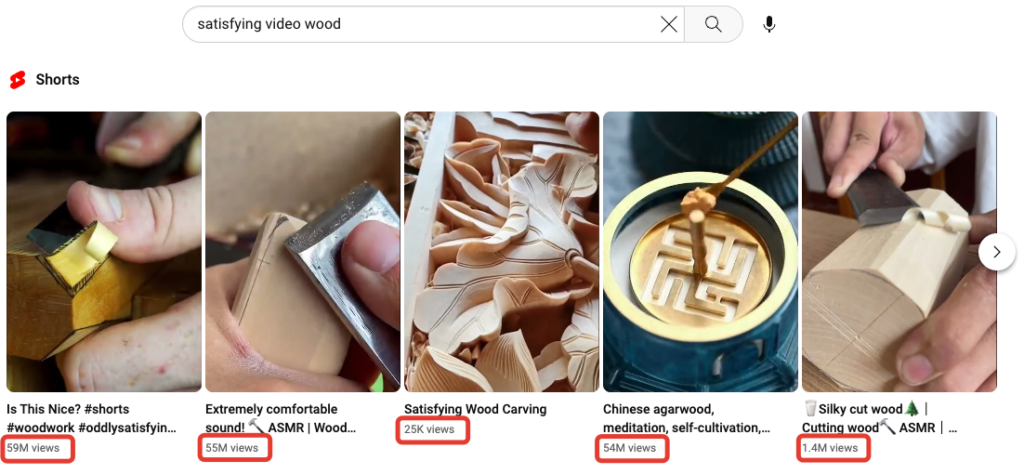
Woodworking is a satisfying hobby. It’s also among top ranking video niches on Youtube. So why not start a channel along with your woodworking projects?
Additionally, woodworking offers practical benefits, such as the ability to create furniture and home decor that are unique and custom-made for your own personal style.
Some items are easily sold on Etsy or other marketlaces.
Just Give it a Try
With that said, don’t hesitate any longer! Grab any tutorial, choose a forums where you can ask questions and plan your first project.
Start with simple yet useful projects like coat racks or small boxes. Don’t be discouraged if your first few attempts aren’t perfect.